
When someone types chatgpt, chat gptt, chatgtp, chatgps, or gchat gbt into a search bar, the real need is usually simple: get useful help quickly without spending time figuring out how to ask. That is exactly why Kai AI - Chatbot & Assistant’s improved categorized assistant feature matters. Instead of starting from a blank chat every time, the app gives users a clearer path to task-specific help on mobile.
Kai AI - Chatbot & Assistant is a mobile app for iPhone and Android that offers a AI powered chatbot with categorized assistants for people who want practical support with writing, learning, planning, food, fitness, and similar daily tasks. The improvement is not flashy for the sake of it. It changes the first few seconds of use, which is where many assistant apps either become helpful or get abandoned.
The feature update is simple: less blank-page friction, more guided starts
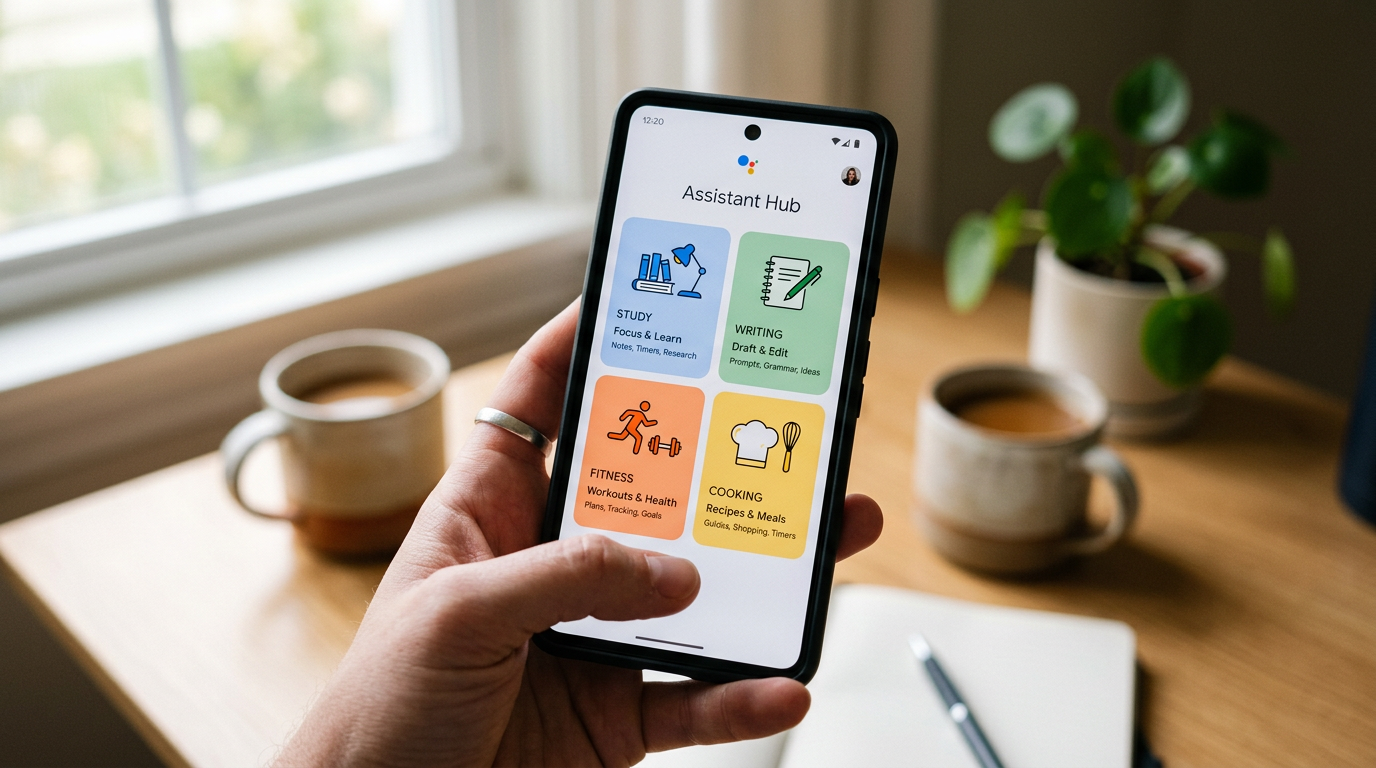
A generic assistant often opens with an empty message box and a lot of possibility. That sounds good until you are tired, busy, or not sure how to phrase what you need. Kai AI’s stronger categorized assistant flow reduces that hesitation. Users can now choose from predefined assistant types more directly, which means the app behaves less like a blank tool and more like an organized assistant is an app built for real situations.
That matters because most people are not trying to explore technology for its own sake. They want dinner ideas, a study explanation, a cleaner paragraph, a quick workout outline, or help translating a phrase. A categorize edilmiş system turns vague intent into a useful starting point.
Why this matters if you searched for chatgpt, chat gptt, or chatgtp
Search behavior is messy. People type the right term, the wrong term, or a close-enough version. Someone may search chatgps when they want a writing helper. Another may type gchat gbt while looking for a study tool. The wording changes, but the job to be done is usually the same: “Help me solve this without making me set everything up from scratch.”
The improved Kai AI experience helps by organizing that help in advance. If you want a fitness coach, you enter a fitness path. If you want a language helper, you open that assistant instead of explaining the role from the beginning. If you need writing support, the writing assistant starts closer to your goal.
Unlike a general chat box that expects the user to do all the framing, this model lowers the effort required to get a usable answer. For many people, that is the difference between trying an app once and using it three times a day.
What real users actually gain from categorized assistants
The biggest benefit is not “more intelligence.” It is less setup. Kai AI’s updated assistant structure is useful for people who value speed, repetition, and clarity.
Consider a few practical scenarios:
A student who needs help after class
A student opens the app and chooses a learning-oriented assistant rather than typing a long explanation about being in exam prep mode. The response style is already closer to what they need: explanations, examples, and follow-up study support. This feels very different from a cold start in a generic sohbet tool.
A busy professional writing under time pressure
Instead of beginning with “Act like an editor,” the user enters the writing assistant and pastes a rough email, report intro, or social caption. The app starts from a more relevant baseline. That saves small pockets of time throughout the week.
A home cook with limited ingredients
The cooking assistant is more practical than a blank box when the user simply wants “three dinner ideas with eggs, yogurt, and spinach.” In that moment, structure beats flexibility.
Someone trying to stay consistent with fitness
A general-purpose botu can answer workout questions, but a fitness-focused assistant gives the user a more obvious lane to follow. That is useful for people who do not want to think about wording before they even start.
Who will get the most value from this update?
This improved feature is a strong fit for:
- students who need repeatable homework and study help
- freelancers handling writing, planning, and client communication
- busy parents looking for quick meal, routine, or organization support
- people learning a language and wanting guided practice
- users who like mobile-first tools and short interaction cycles
In short, it helps people who want useful output quickly and do not want to reinvent their setup every time they open an app.
Who is this not for?
This kind of feature will not suit everyone, and that is worth saying clearly.
If you prefer building every interaction from scratch, want a completely open-ended workspace at all times, or mainly use assistants for highly technical custom workflows, a categorized mobile app may feel more guided than you need. Some users enjoy maximum freedom. Others want a clear lane. Kai AI is more compelling for the second group.
How to evaluate an assistant app like this
If you are comparing a categorized assistant app with a generic alternative, focus on a few practical questions rather than feature lists.
- How fast can you get to a useful first answer?
The first response matters more than the hundredth promise. - Does the structure reduce effort or add steps?
Categories should help you start, not slow you down. - Are the assistant types relevant to your daily tasks?
A good library beats a large but vague one. - Does it work well on mobile?
For many users, these interactions happen in short bursts, not at a desk. - Is the app easy to return to?
The best tools are not only useful once. They become part of a routine.
If your goal is everyday support instead of endless customization, Kai AI - Chatbot & Assistant’s categorized design is built for that. You can see the broader app context on the official Kai AI - Chatbot & Assistant site.

Generic chat vs categorized assistance: the difference in daily use
A blank chat interface offers range. A categorized assistant offers direction. Neither is automatically better in every situation, but the second one is often better for repeated everyday tasks.
| Use pattern | Generic chat | Categorized assistant |
|---|---|---|
| One-off exploration | Often strong | Good, but more guided |
| Repeated daily tasks | May require repeated setup | Usually faster to restart |
| Users unsure how to ask | Can feel open-ended | More approachable |
| Mobile convenience | Depends on user effort | Often easier for quick sessions |
That last point matters more than it seems. A lot of assistant usage happens while commuting, between meetings, during study breaks, or while cooking. In those moments, the best system is not the one with the broadest theoretical flexibility. It is the one that helps with the least friction.
A few questions people often have
“If I already use chatgpt-style tools, why would categories help?”
Because categories remove repetition. You spend less time framing the task and more time working on the result.
“Does this only help beginners?”
No. Beginners benefit from the guidance, but experienced users also benefit when they want speed on familiar tasks like rewriting text, meal planning, or language practice.
“Is this just a design change?”
Not really. A better starting structure changes how often people can use an app successfully in short sessions. That affects habit formation more than cosmetic updates do.
“What if my needs change from one day to the next?”
That is where multiple assistant categories help. You are not locked into one mode. You simply start closer to the task at hand.
Where this fits in a real routine
Think about the moments when people usually reach for a helper on their phone. They are not sitting down for a long experiment. They are trying to move forward quickly: understand a topic, organize a plan, improve wording, decide what to cook, or get unstuck.
The improved categorized assistant feature fits that reality well. It takes the common intent behind searches like chatgpt, chat gptt, chatgtp, chatgps, and gchat gbt and turns it into a more guided mobile experience. Not because users need less capability, but because they often need less friction.
For people who want a AI powered chatbot that feels organized rather than empty at the starting line, that distinction is practical, not cosmetic. And if your daily use tends to fall into recognizable buckets like writing, study, fitness, or cooking, Kai AI - Chatbot & Assistant’s categorized assistants are designed around that reality.
You can also explore how the app is positioned as a mobile helper through Kai AI - Chatbot & Assistant if you want to see whether this more structured approach matches your routine.