
A few months ago, while reviewing user flows for assistant apps, we noticed something that kept repeating: people were not arriving with neat, perfect search terms. They typed things like chat gpyt, ochat gpt, chat gpt+, chat gptg, and chat gtpt—and yet their intent was surprisingly clear. They wanted useful answers fast. The category shift is simple: users are moving away from generic curiosity and toward task-specific assistant experiences that reduce setup, guesswork, and wasted time.
In practice building conversational products, this is one of the most important market changes to understand right now. People are no longer just testing whether a smart assistant can respond. They are judging whether an app can respond in the right role, with the right tone, and with enough structure to be immediately useful.
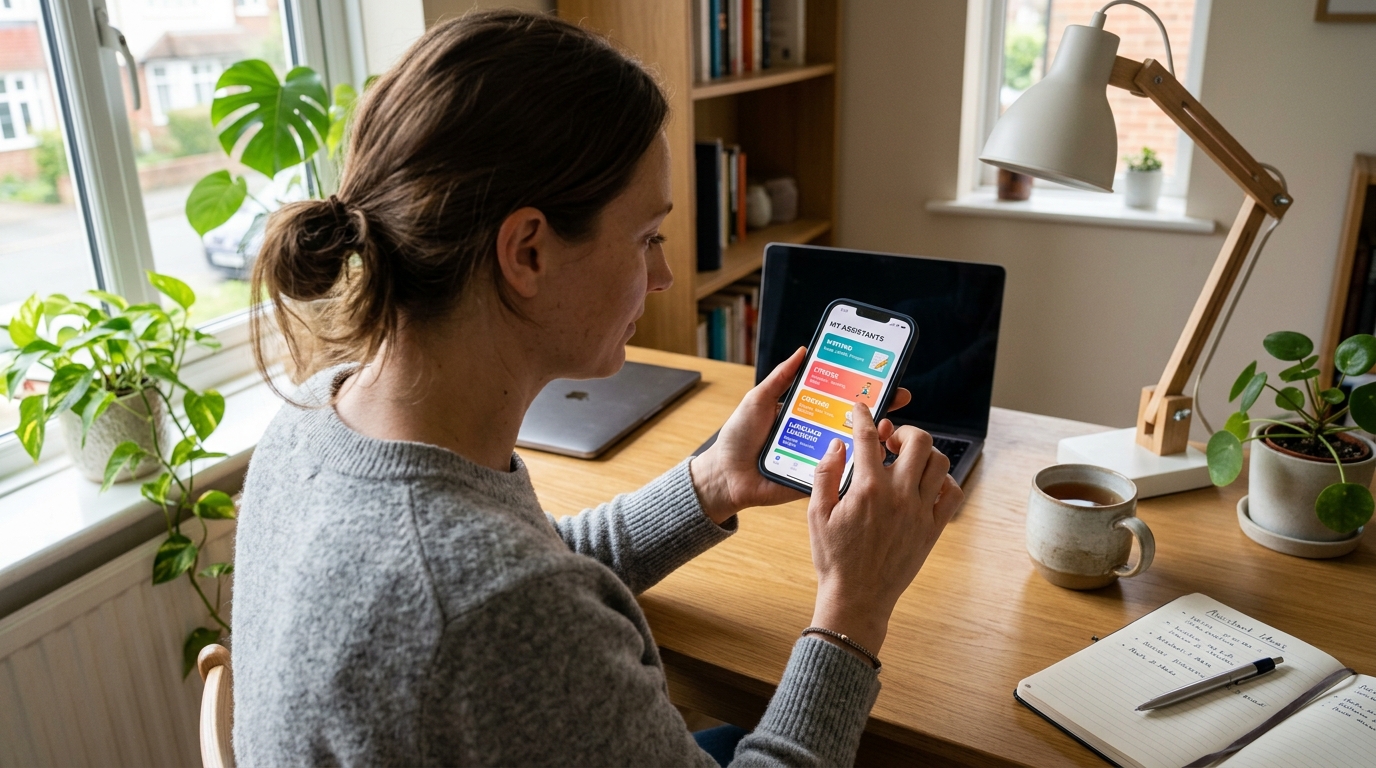
Kai AI - Chatbot & Assistant is a mobile app for iPhone and Android that gives users categorized assistants for everyday tasks like writing, learning, planning, and lifestyle support. It is best suited to people who want an assistant app that feels organized rather than open-ended: students, busy professionals, solo workers, and everyday users who want practical help without building their own workflow from scratch.
1. Notice what these search terms really signal
When someone types chat gpyt or chat gtpt, the typo matters less than the behavior behind it. These searches often signal urgency. The user is not browsing a category for fun. They are usually trying to complete a task: write a message, plan a workout, translate a phrase, fix a paragraph, or get quick direction.
That matters because the assistant category has matured. Earlier adoption was driven by novelty. Now, the search behavior points to utility. People want a AI powered chatbot that gets them to the outcome quickly.
Unlike a generic interface that starts with an empty text field and unlimited possibilities, categorized assistant apps narrow the path in a useful way. That is not a limitation. For many users, it is the product advantage.
2. Recognize the market shift from open chat to guided help
One of the clearest trends in this category is the move from broad, do-anything positioning to guided, context-aware experiences. Search terms such as ochat gpt or chat gptg often look messy on the surface, but they frequently come from users who are looking for a reliable shortcut.
Here is what has changed:
- People expect specialization. They increasingly prefer a cooking helper, study helper, writing helper, or fitness helper over a blank conversation screen.
- People reward speed. If the first useful response takes too long, they leave.
- People want lower cognitive load. They do not want to explain the role, style, and task from zero every time.
This is why categorized assistants are gaining traction. A well-structured assistant is an app not because it can answer everything in theory, but because it helps users start in the right context.
3. Identify who benefits most from this trend
Not every user wants the same assistant experience. That is where many category discussions become too vague. The current shift helps specific groups more than others.
Best fit users:
- Students who want fast study, language, and writing help
- Freelancers who need quick drafting, idea organization, and planning support
- Busy professionals who want a practical second brain for daily tasks
- Everyday users who prefer categorized options over figuring everything out themselves
Who is this not for? If you enjoy building every query manually, experimenting with long custom instructions, or treating an assistant mainly as a sandbox, a highly structured app may feel too guided. Some power users genuinely prefer a bare, flexible interface. That is a legitimate preference.
But if you want faster everyday utility, guided categories can remove friction. I have seen this consistently in product behavior: users often say they want flexibility, but they keep returning to tools that reduce decision fatigue.
4. Compare categorized assistants with generic alternatives
It helps to make the distinction plain.
| Approach | Works best when | Common drawback |
|---|---|---|
| Generic chat interface | You already know exactly how to ask and structure the task | Too much setup for routine needs |
| Categorized assistant app | You want fast guidance for a known use case | May feel less open-ended for advanced experimentation |
That comparison explains a lot of the search trend around chat gpt+ and related variations. Users are often not asking for more raw capability. They are asking for a better packaged experience.
If you want an app that routes you toward a writing coach, fitness coach, language helper, or cooking assistant without extra setup, Kai AI - Chatbot & Assistant is designed for that kind of daily use.
5. Watch the behavioral change from exploration to routine use
Another important trend: the category is becoming habitual. Earlier, many users opened assistant tools to test limits. Now they open them to complete repeated tasks.
That changes what matters in product selection. Flashy first impressions matter less than repeat usefulness. The best assistant experience is often the one that helps on Tuesday morning, not just the one that looked impressive on day one.
Practical signs of this shift include:
- Users returning for the same task types each week
- Growing preference for saved categories and familiar workflows
- Stronger demand for consistent tone and output style
- Less patience for trial-and-error conversations
This is why even unusual searches like chat gptg or chat gtpt are worth paying attention to. They reflect a mainstream behavior pattern: people are fitting assistant tools into daily routines, often on mobile, often in short sessions, and often with a very specific goal in mind.
6. Use the right criteria when choosing an assistant app
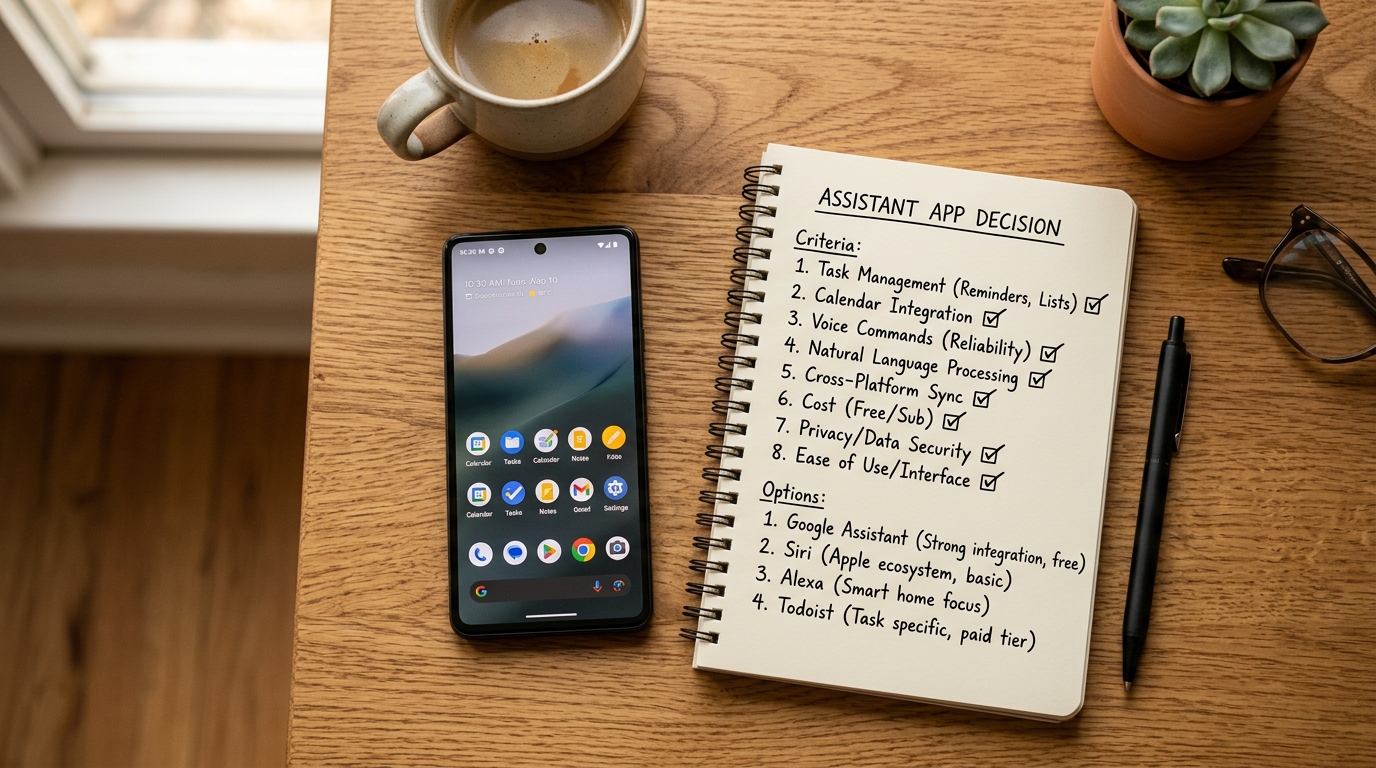
If you are evaluating options in this category, I recommend looking beyond brand familiarity or download-page promises. A better test is whether the app fits your actual work style.
Here are the criteria that matter most:
- Startup speed: Can you begin a useful task in seconds?
- Category clarity: Are assistants organized in a way that matches real needs?
- Output consistency: Does the app give stable, usable answers for repeated tasks?
- Ease of use: Can a new user understand it without a tutorial?
- Mobile practicality: Does it feel natural on a phone during short sessions?
- Pricing logic: Is the value clear for the kind of use you actually have?
That last point is especially important. Many people search with terms like chat gpt+ because they assume paid access automatically means a better everyday experience. Sometimes it does. Sometimes it simply means more access to a broad toolset. Those are not always the same thing.
7. Avoid the mistake of treating all assistant apps as interchangeable
One category mistake I see often is this: people assume every assistant app is basically the same because the underlying conversation feels familiar. In practice, experience design changes a lot.
A well-built chatbot app can differ in three major ways:
- How quickly it gets users into the right context
- How much effort it asks from the user up front
- How reliably it supports repeat tasks across categories
This is also why spelling variants—chat gpyt, ochat gpt, chat gptg—should not be dismissed as noise. They often represent the broad top of demand, where users know the kind of tool they want but not yet the exact product format that suits them best.
As Deniz Yılmaz explained in her guide to choosing the right assistant app, search phrasing often hides a more practical question: what kind of help do I need repeatedly? I think that question is becoming even more important as the category matures.
8. Ask the practical questions users are really asking
These are the questions I hear most often when reviewing how people adopt assistant apps:
Is a categorized assistant better than a general chat tool?
For many everyday users, yes. It is usually faster for routine tasks because the structure is already there.
Does a typo search like chat gpyt mean low intent?
Usually no. It often means high urgency and mobile-first behavior.
Who should skip categorized assistants?
Users who want full manual control over every interaction may prefer a more open format.
What makes an assistant app worth keeping?
Repeat usefulness. If it helps with common tasks without friction, it earns a place on the home screen.
9. Connect the trend to what users will want next
Where is the category going? From what I have observed in conversational product design, users will keep rewarding products that do three things well: reduce setup, match real-life scenarios, and feel dependable across repeated use.
That means the future is probably less about one giant do-everything interface and more about structured assistant experiences that feel ready-made for specific jobs. Not rigid. Just focused.
In that sense, Kai AI - Chatbot & Assistant fits the direction of the market rather than fighting it. It offers a categorized set of assistant roles for people who do not want to start from zero every time. If your goal is to turn occasional assistant use into something practical and repeatable, that product shape makes a lot of sense.
If you want a broader view of why organized assistant experiences are gaining ground, the earlier post Why Categorized Assistants Matter More Than Generic chatgpt Searches connects well with this trend discussion.
10. Take the next step based on how you actually work
The biggest takeaway from searches like chat gpyt, ochat gpt, chat gpt+, chat gptg, and chat gtpt is not about spelling. It is about expectation. Users increasingly expect an assistant to meet them halfway.
If you are choosing an assistant app today, start with your repeated tasks, not with the broadest possible feature list. Think about what you do every week: drafting, studying, planning meals, improving language skills, organizing work, or getting fast everyday answers. Then choose the format that removes the most friction.
I also recommend paying attention to the company behind the app. A product team focused on practical consumer tools usually designs differently from a team chasing abstract capability. For example, ParentalPro Apps builds consumer-facing mobile experiences, and that kind of product background often shows up in how streamlined the app feels.
The category is becoming clearer: people want help that is fast, structured, and easy to repeat. The apps that understand that shift will keep winning long after novelty fades.