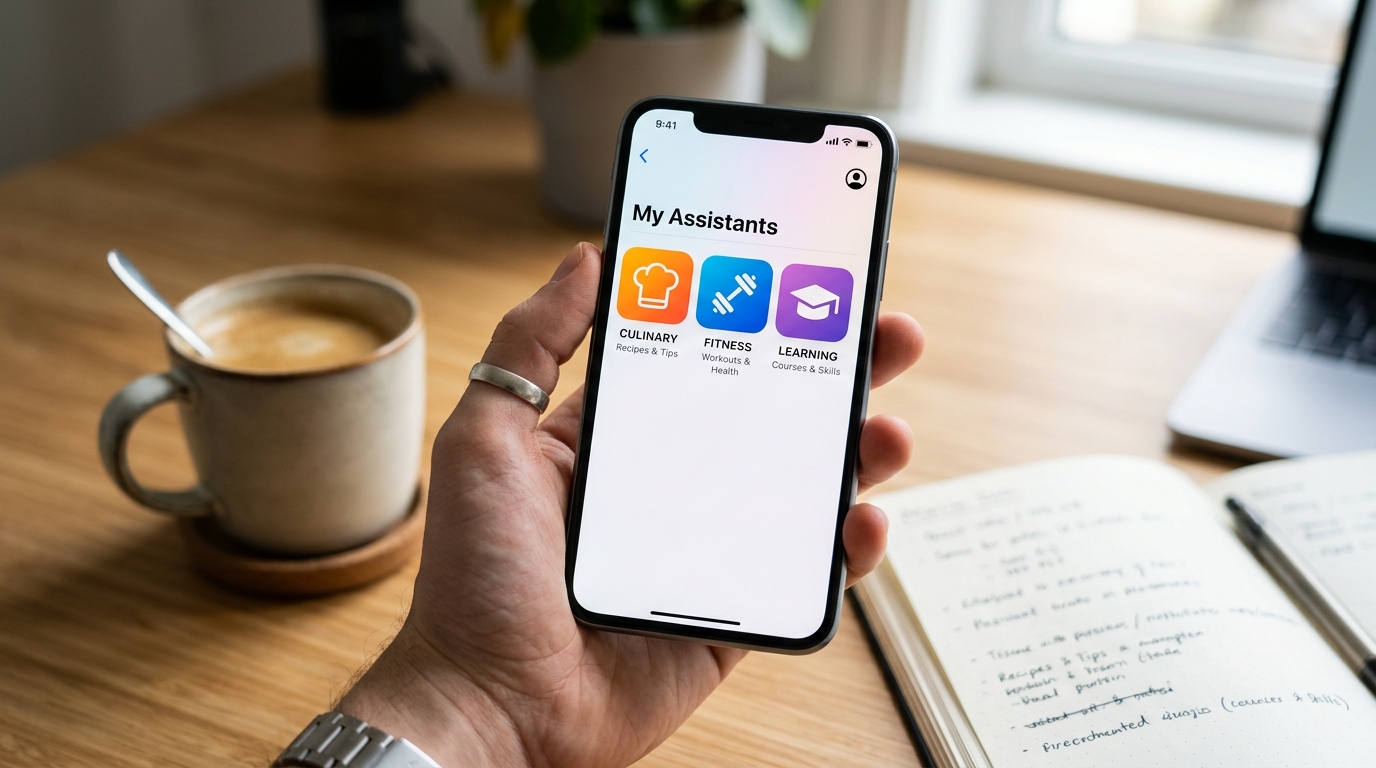
Global consumer spending on mobile apps reached an astonishing $167 billion last year, accompanied by a 10% rise in global app installs, according to the latest Adjust Mobile App Trends 2026 report. Yet, despite this massive influx of adoption, a stark reality remains: 70% of users immediately delete applications that feel sluggish, unguided, or overly complicated right after their first attempt to use them. As a content strategist who has spent the last six years researching digital wellbeing and how families interact with technology, I’ve seen firsthand that we are simply expecting too much from the end user. In my research into child safety and digital literacy, I’ve found that the more cognitive load we place on a user, the more likely they are to experience digital fatigue.
The prevailing industry assumption is that providing people with a blank text box—powered by a massive language model—is the ultimate productivity solution. I disagree. While open-ended models are technically impressive, they force everyday people to become amateur prompt engineers. A categorized digital assistant is a predefined AI persona tailored for specific tasks—such as a chef or fitness coach—eliminating the need for users to write complex instructions. This distinction is exactly why specialized tools are rapidly replacing generic interfaces in the mobile economy.
Understand the 2026 Mobile Economy Shift
When you look closely at the Adjust 2026 report, you see that AI is transitioning from a novel strategic add-on to foundational mobile infrastructure. At the same time, the friction of daily mobile usage is high. When someone urgently searches for assistance using terms like chatgpt or chadgbt, they are usually trying to solve an immediate problem. They might be waiting for a bus, cooking dinner, or managing a tight deadline with a toddler in the room. They aren't looking for a sandbox to experiment in; they want an immediate answer.
Because of this urgency, we frequently see search queries filled with typos. Users typing chatgtp, chapgpt, or chat gptt are moving fast. They might misspell it as chartgpt or chadgpt because their attention is divided between their screen and their physical environment. If an application responds to this urgency by presenting a blank screen that requires highly specific instructions to function properly, the user abandons it. This frustration directly correlates with the finding that 70% of apps are deleted on the first day if they fail to deliver immediate value.
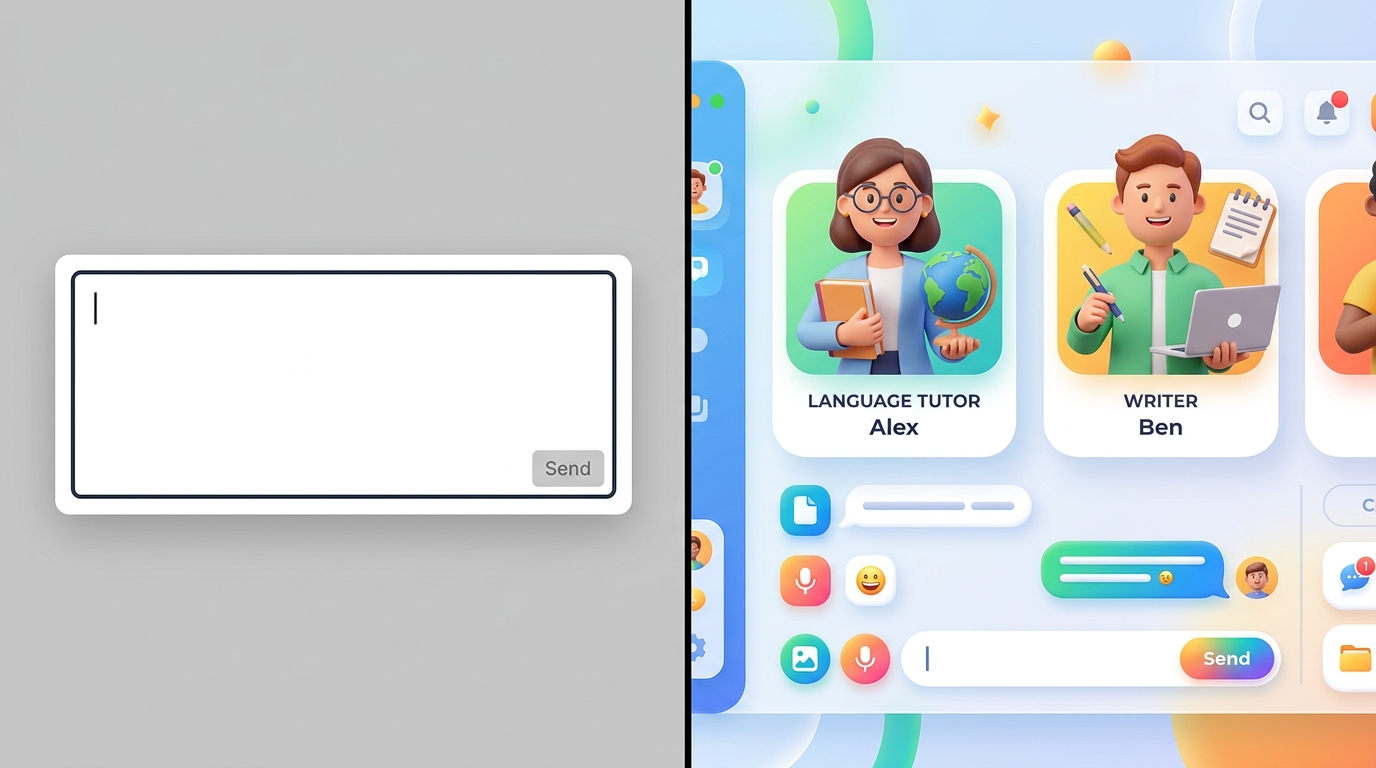
Abandon the Blank Screen for Faster Outcomes
We frequently observe how people actually use digital tools in their daily lives. The cognitive load required to figure out how to ask a question often outweighs the benefit of the answer. Consider the fractured search queries we track across the industry, such as chatgps, chap gpt, gchat gbt, and chate gbt. These fragmented searches, along with gchat gtp and cht gpt, tell a clear story about mobile behavior. People are typing with one thumb while managing other tasks. They don't have the mental bandwidth to carefully correct chat gp t or char gbt, let alone draft a five-paragraph instruction manual for a blank-slate AI model.
If you want specialized expertise without the friction of a blank interface, Kai AI - Chatbot & Assistant's predefined personas are designed for exactly that. It categorizes everyday tasks, offering an instant chef, language tutor, or writing guide. By automatically configuring the background prompts using powerful underlying models, it removes the guesswork for the user. Analyzing recent growth metrics reveals a sharp pivot toward this categorized style of assistance over generic chat interfaces, as it meets the user's need for speed and context immediately.
Identify the Right Assistant for Your Workflow
Not all applications are created equal, and choosing the right one requires knowing exactly what you need it to accomplish. When reviewing mobile tools, I use a specific set of criteria based on digital wellbeing and safety principles:
- Speed of Context: Does the app immediately understand what role it needs to play (e.g., a fitness coach), or do you have to explain the rules first?
- Offline Usability & Privacy: The Adjust data notes that iOS tracking opt-in rates increased to 38% in the first quarter of 2026. Users are willing to trust apps that are transparent about data. Look for tools that prioritize safe, private interactions.
- Categorized Structure: Does the interface offer visual categories you can tap instantly, bypassing the keyboard entirely?
This categorized approach is incredibly beneficial for freelancers juggling multiple clients, students needing quick study aids, and parents managing busy household schedules. Conversely, who is this NOT for? It is not for software developers looking to test raw API responses, nor is it for hobbyists who enjoy spending hours tweaking system prompts. It is built strictly for practical, everyday utility.

Avoid Common Pitfalls When Searching for Mobile Help
The desire for a better experience is evident even in long-tail search behaviors. Users typing cha t gpt, chat gtpt, or chat gpyt often download the first generic tool they see, only to delete it moments later when faced with a blinking cursor. Even those looking for upgraded experiences, typing chat gptg or chat gpt+, are essentially searching for more structured reliability and faster routes to an answer.
In my ongoing research into family tech safety, I constantly evaluate tools that respect the user's time and cognitive energy. Developers who focus on intentional, guided interfaces—such as the team behind ParentalPro Apps—understand that clear boundaries reduce anxiety and improve the overall digital experience. A predefined AI persona does exactly this: it sets boundaries. A specialized language tutor bot won't accidentally give you a recipe; it stays in its lane, providing accurate, contextual help.
Ultimately, the mobile application economy is maturing. The initial novelty of talking to a computer has worn off, replaced by a demand for practical, frictionless assistance. By moving away from blank screens and embracing tools that offer categorized, expert-level personas, we can finally stop managing our technology and start benefiting from it.