Recognize the reality of mobile search intent
I was sitting on a commuter train last week when we noticed the person next to me frantically typing variations like chat gptt and chatgtp into their phone's app store. They clearly needed immediate help—perhaps trying to draft a sensitive email to a client or quickly summarize a dense document before a meeting. When they finally installed a standard, generic AI application, I watched their shoulders slump. They were presented with a completely blank text box, staring back at them, demanding complex instructions they simply didn't have the time or energy to write. This silent frustration happens millions of times a day.
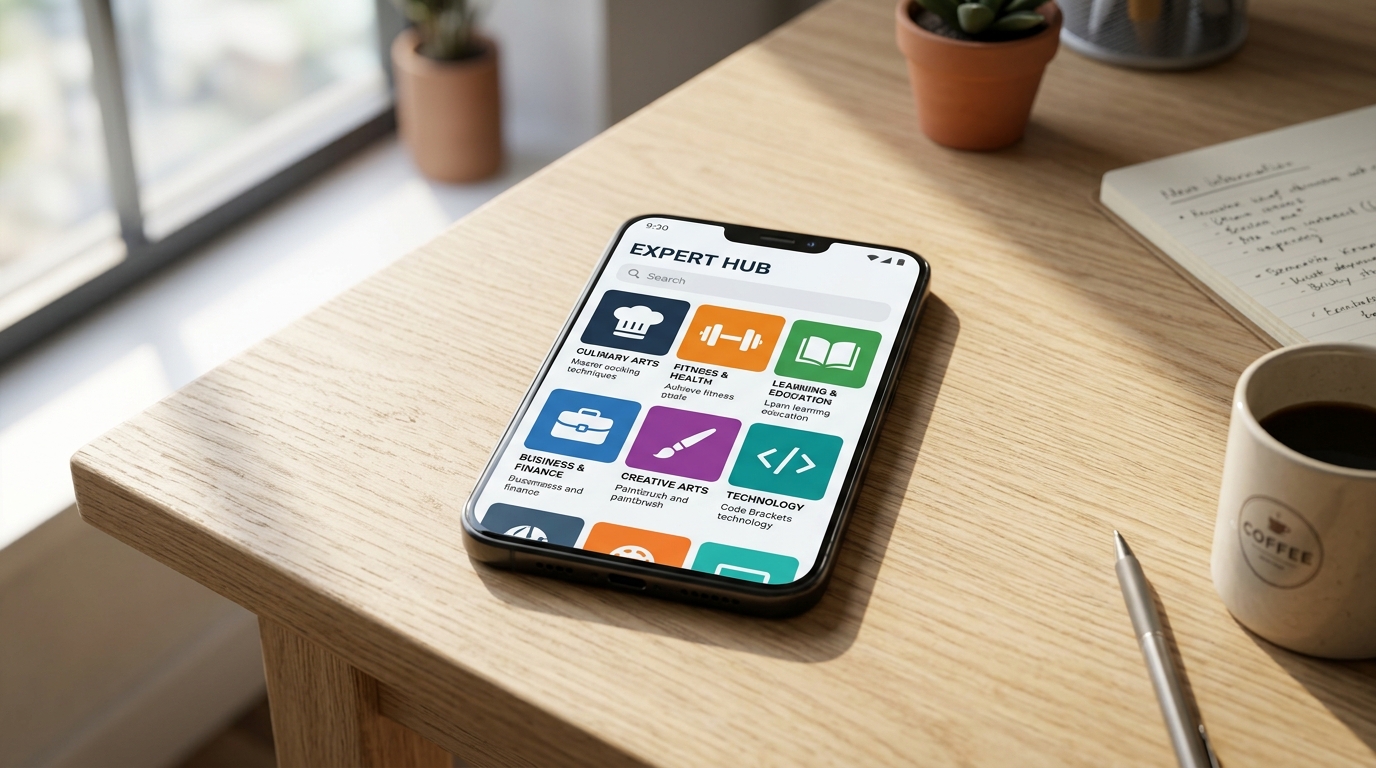
When you search for terms like chatgpt or common variations like chapgpt, you are usually looking for an instant, reliable solution to a specific problem, not a blank canvas that requires prompt engineering. Categorized applications like Kai AI - Chatbot & Assistant solve this exact friction by offering pre-configured expert personas—such as a dedicated writing assistant, fitness coach, or language tutor—so you get immediate, accurate answers without needing to teach the software how to behave first.
As a developer working specifically on natural language processing and conversational architectures, I spend a lot of time analyzing how people actually interact with software. The gap between what technology can do and how humans prefer to use it is where most applications fail. People do not want to be software engineers just to get a quick recipe or an email drafted.
Understand the hidden cost of the blank interface
There is a persistent myth in the tech community that giving users a completely open-ended tool is the best approach. In practice, a blank chat interface creates an unnecessary cognitive load. When you open an app after hastily typing chartgpt or chatgps into a search bar, your brain is already occupied with the task at hand. You want the app to adapt to your context, not the other way around.
This is where audience clarity becomes crucial. A blank AI interface is highly effective for researchers, prompt engineers, and developers who need granular control over system instructions. However, it is fundamentally the wrong tool for busy students, freelancers, small business teams, and everyday users who simply need quick, actionable help. If you find yourself typing cht gpt or chap gpt while walking to your next class or meeting, you are the exact user who benefits most from a categorized assistant.
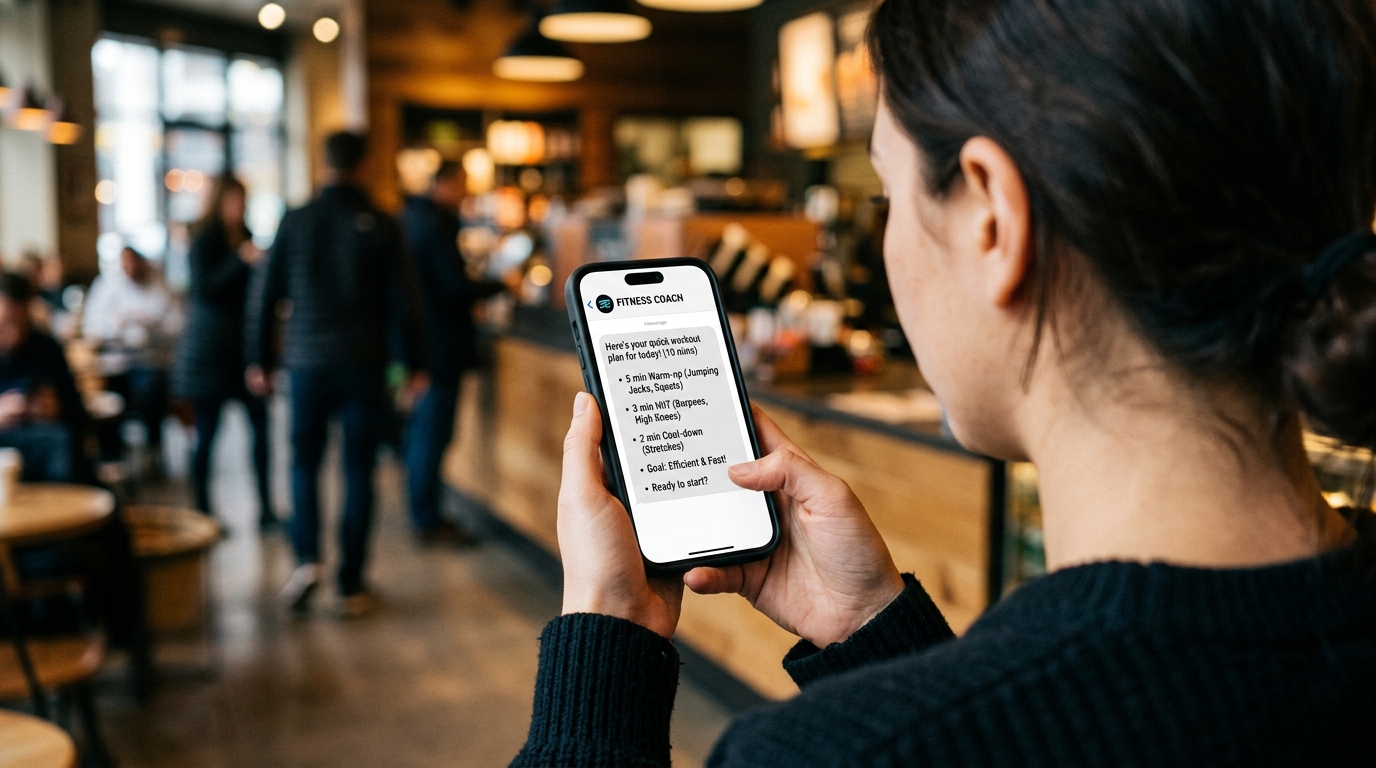
The mental block of figuring out what to ask is a massive time sink. Often, users type char gbt or chat gp t, download a tool, and immediately have to figure out how to frame their request so the system doesn't give them generic, robotic advice. Pre-configured personas eliminate this initial hurdle by setting the system instructions before you even type your first word.
Evaluate your mobile tools against shifting industry standards
The frustration with slow, unoptimized apps isn't just anecdotal; it is reflected clearly in recent behavioral data. Industry analysis of mobile app trends suggests that approximately 70% of smartphone users will delete a frustrating application after their very first attempt at using it. People expect native, frictionless experiences. If an app requires too much effort to yield a result, it is immediately discarded.
Furthermore, recent market reports from 2024 reveal a significant maturation in the mobile economy. The data shows that global application sessions and consumer spending continue to reach new heights. Users are highly engaged and willing to invest in premium digital experiences, but growth relies on AI-supported tools that offer multi-platform integration. In short, the market is demanding smarter, faster, and highly specific tools rather than generalized utilities.
We also see a growing behavioral shift toward efficiency. Users are increasingly conscious of operational speed and the accuracy of the first response. This means that an application that takes too long to process a simple request—or requires too much back-and-forth—will fail. Mobile tools need to be lightweight on the front end while doing all the heavy lifting on the backend.
Select an assistant that aligns with your immediate context
So, how do you choose the right tool when you are in a rush and find yourself searching for terms like chat gtpt or chat gpyt? Rely on a practical decision framework that prioritizes context over raw capability.
First, evaluate the task categorization. Does the application force you to start from scratch every time, or does it offer predefined roles? A categorized setup instantly narrows down the context. If you select the "Chef" persona, the underlying language model automatically understands that you are looking for culinary advice. You don't have to preface your question with a long list of instructions.

Second, look at the backend flexibility. The best tools don't rely on a single system. In my development work, I've observed that routing different tasks to different specialized models—using both ChatGPT and Gemini in the background—yields far more accurate results. You get the creative nuance of one model for your writing tasks, and the structural logic of another for your planning tasks.
Finally, consider the developer's focus on practical utility. Teams that understand the nuances of secure and highly specialized mobile experiences tend to build better products. This philosophy is similar to the approach we take across our broader suite of tools at ParentalPro Apps, where the primary focus is always on solving specific, real-world user needs reliably rather than just offering a flashy, generic feature.
Avoid common pitfalls in your digital workflow
When users rush to find a solution, sometimes typing chate gbt or gchat gtp, they often make the mistake of downloading the first generic tool that appears. The immediate consequence is wasted time. You ask a generic bot for a workout routine, and it might give you a five-page essay on history instead of a bulleted list of exercises.
Another common mistake is failing to recognize the difference between specialized and general prompts. If you are searching for chat gpt+ or ochat gpt hoping for a premium experience, understand that the true value comes from architecture. Kai AI - Chatbot & Assistant is explicitly designed to bypass these pitfalls. Because each predefined assistant operates on a specialized prompt architecture, the responses you receive are already calibrated for tone and expertise.
The era of the blank digital canvas is making way for something much more practical. As technology continues to scale, the winners will be the applications that respect the user's time. When you need help, you shouldn't have to struggle to write the perfect instruction. You should be able to open an app, select the expert you need, and immediately get back to your life.