If you have searched for chartgpt, chapgpt, chap gpt, chadgbt, or chadgpt, there is a good chance you were not looking for a technical explanation. You were probably trying to solve a simple problem: get clear help, fast, without opening ten tabs or guessing what to ask. That is exactly the gap Kai AI - Chatbot & Assistant is built to address.
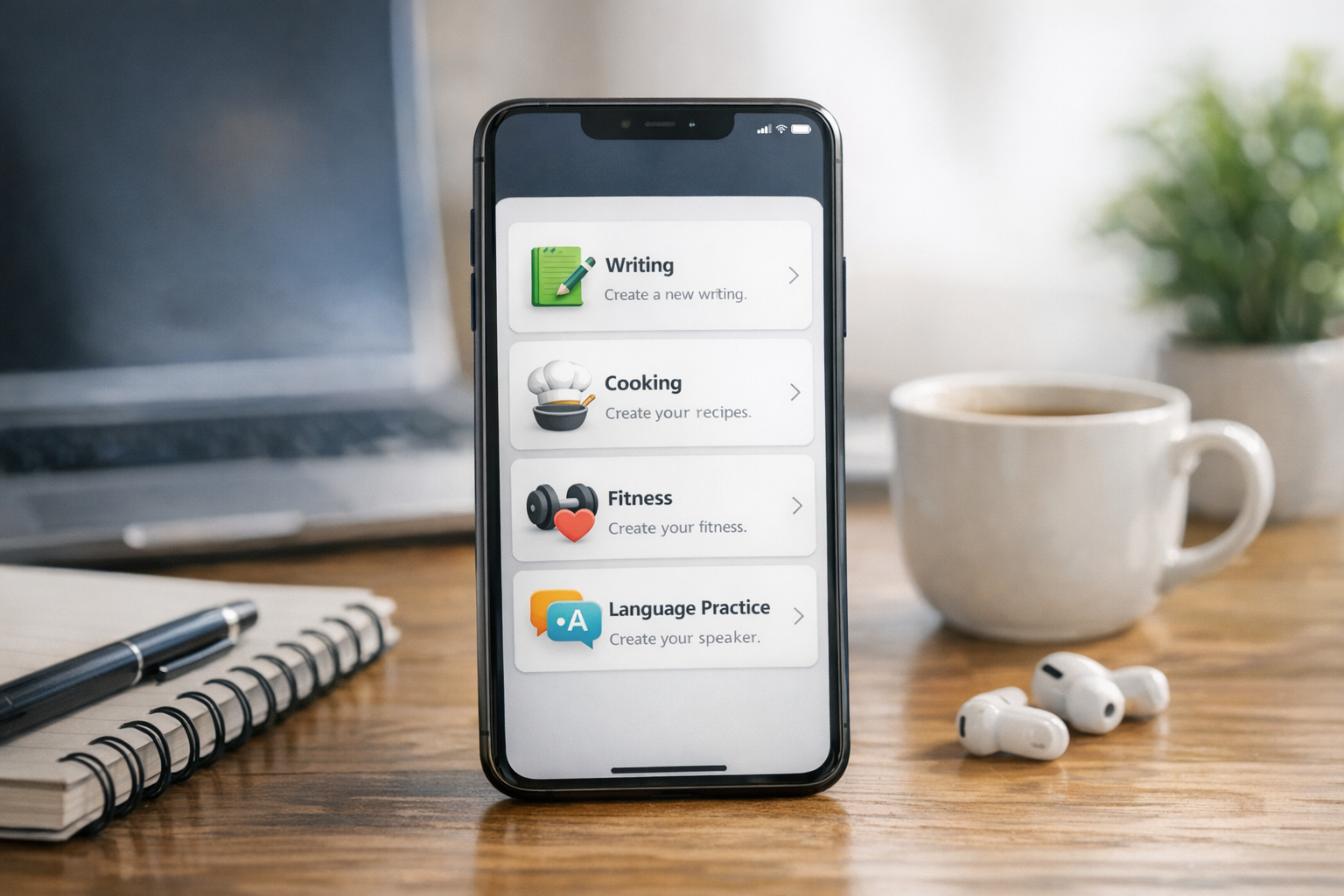
Kai AI is an app designed for people who want one place for guided help across different needs. Instead of facing a blank chat and wondering where to start, users can choose from a set of assistants organized by purpose. There may be a cooking helper for meal ideas, a fitness coach for routines, a language guide for practice, or a writing assistant for drafts and rewrites. The idea is straightforward: make a AI powered chatbot feel easier to use by giving structure from the beginning.
Why people search for chartgpt, chapgpt, or chadgpt in the first place
Search terms like chartgpt, chapgpt, chap gpt, chadgbt, and chadgpt usually reflect intent more than spelling. Most users want one of a few things:
- Help writing a message, email, caption, or short post
- Answers explained in plain language
- Ideas for meals, workouts, travel plans, or study routines
- A fast way to organize thoughts when they feel stuck
- A conversational tool that feels more practical than a generic search result
The problem is not a lack of tools. The problem is friction. A lot of people download a chatbot, type one vague sentence, get an answer that feels off, and stop using it. Kai AI tries to reduce that friction with a more categorized assistant is an app approach, where the starting point is closer to the task you actually want to finish.
What core problem Kai AI solves
The main issue Kai AI addresses is decision fatigue at the moment of asking for help. Many users know they need support, but they do not know how to phrase their request, how much detail to give, or which kind of assistant fits the situation. A blank input box can be surprisingly unhelpful.
Kai AI solves this by turning one general-purpose chat experience into a more guided system. Instead of thinking, “What should I ask?” users can start with, “What am I trying to do?” That small shift matters.
In practice, this means the app is useful when you need to:
- Draft something quickly
- Turn rough notes into a cleaner version
- Ask follow-up questions without starting over
- Get suggestions tailored to a specific context
- Use a chatbot without needing expert-level instructions
For someone who has typed chatgpt, chat gpt, chatgtp, chatting gpt, chat gpts, or even gchat gbt into a store search bar, that kind of guided experience can be the difference between trying an app once and actually keeping it in your routine.
Who Kai AI is for
Kai AI is not only for one type of user. It works best for people who want practical output rather than technical control.
1. Busy professionals
If you write emails, summarize ideas, prepare talking points, or need quick brainstorming during the day, Kai AI can shorten the distance between “I need to do this” and “I have a usable draft.”
2. Students and learners
Students often need explanations in simpler language, study prompts, quiz ideas, or writing support. A structured assistant can help them begin without feeling lost.
3. Everyday planners
Not every use case is about work. Many people want help making a grocery plan, creating a weekly routine, building a travel checklist, or finding dinner ideas from random ingredients already at home.
4. People new to this type of tool
This is one of the clearest use cases. If terms like chartgpt or chapgpt are how you search because you are still figuring out what these apps do, Kai AI offers a simpler on-ramp. It is especially useful for users who prefer guided categories over a completely open-ended interface.
Practical first-use scenarios for Kai AI
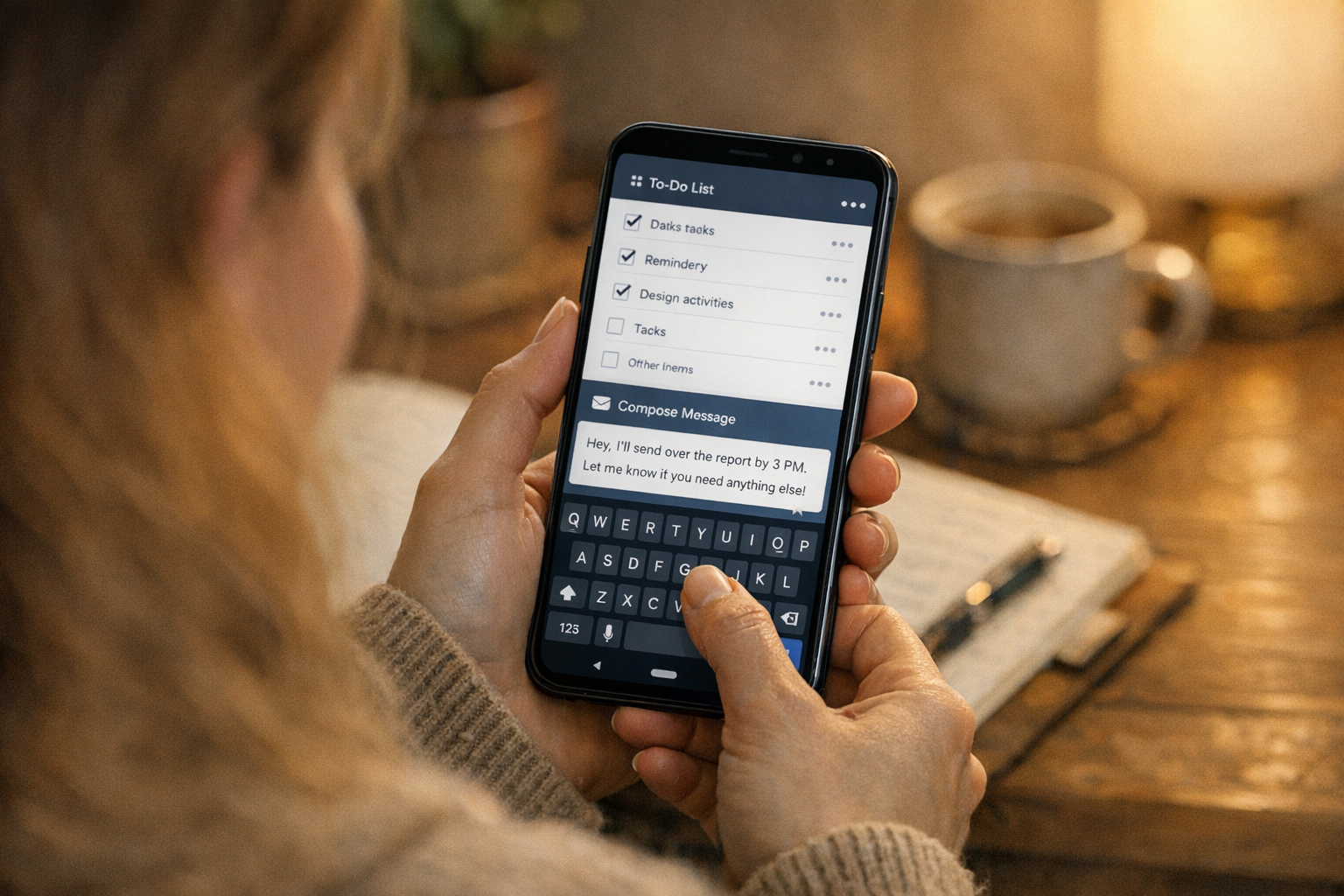
The best first experience with an app like this is usually a real task, not a test question. Here are a few practical scenarios that make sense on day one.
Scenario 1: You need to write something, but do not want to start from scratch
Open the writing-focused assistant and give it a concrete goal. For example:
- “Write a polite follow-up email after a job interview.”
- “Turn these bullet points into a short LinkedIn post.”
- “Rewrite this message to sound warmer and clearer.”
This works well for users who have tried cha t gpt, c hat gpt, or chat gptt style searches and mainly want practical writing help rather than broad conversation.
Scenario 2: You want meal or cooking ideas from what you already have
Instead of searching recipe sites one by one, try a cooking assistant with a simple input such as: “I have eggs, tomatoes, yogurt, bread, and cheese. What can I make in 20 minutes?”
This is a good example of a yapay and zeka tool being useful in ordinary life. The value is not complexity. The value is speed, relevance, and the ability to ask a follow-up like “make it vegetarian” or “keep it high protein.”
Scenario 3: You need a beginner workout plan
For fitness support, the easiest first step is to define your level and limits. A practical request might be: “Give me a 3-day beginner home workout with no equipment and sessions under 25 minutes.”
That gives the assistant enough structure to provide something usable. If you are just exploring what a powered assistant can do, this type of request is much more useful than asking for a generic fitness plan.
Scenario 4: You are learning a language and want guided practice
Language learners can use an assistant to practice sentence correction, vocabulary drills, or dialogue examples. A strong first prompt is simple: “Give me five beginner travel phrases in Spanish and quiz me one by one.”
This is where a categorized assistant often feels easier than a general chat tool. The context is already narrower, so the results tend to be more immediately useful.
Scenario 5: You have an idea dump and need order
Many users do not need “answers” as much as they need structure. If you have messy notes for a project, a trip, or a weekly plan, paste them in and ask the assistant to organize them into sections, priorities, or a checklist.
That first success often shows the real value of the app better than any abstract demo could.
How to get better results on your first day
You do not need special skills to use Kai AI well, but a few habits help.
Be specific about the outcome
“Help me write” is okay. “Write a short, friendly reply declining a meeting because I am unavailable this week” is better.
Give constraints
If you want something brief, say so. If you need a casual tone, mention it. If you have budget, time, dietary, or skill limits, include them.
Use follow-up questions
The first answer does not need to be perfect. Ask for a shorter version, a simpler explanation, or another option. Good use often comes from iteration, not one-shot requests.
Start with a category that matches your task
If the app offers a writing, cooking, study, or coaching path, choose the closest fit. That simple choice can save time and improve the quality of the response.
Common mistakes new users make
The most common issue is being too vague. If someone opens an app after searching chadgbt or chadgpt and types “tell me something useful,” the result will naturally be broad. A better approach is to bring one real task.
Another mistake is treating the first answer as final. These tools are often better when used like a back-and-forth sohbet, not a one-time command. Ask for edits. Narrow the scope. Add context. That is usually where the output becomes genuinely helpful.
It also helps to avoid using the app for everything at once. Start with one category you already care about: writing, planning, study, recipes, or routines. A clear first win makes the rest easier.
Why a categorized assistant can feel easier than a blank chatbot
A lot of users do not want endless flexibility. They want a starting point. Kai AI stands out by offering a more categorized path into the experience. That matters because most people are not trying to explore every possible feature. They are trying to finish one task before moving on with their day.
For users who have bounced between search terms like chatgps, chats gpt, çhat gpt, or chàt gpt, this more guided setup can feel more approachable. It reduces guesswork and gives the conversation a practical frame from the start.
If you are interested in other utility-focused mobile tools built around everyday tasks, it is worth looking at products from teams such as ParentalPro Apps or broader software studios like AI App Studio, both of which reflect how mobile apps are increasingly being shaped around clearer, narrower user jobs.
A simple way to think about Kai AI
Kai AI is best understood as a practical assistant hub for people who want help doing things, not just chatting for the sake of it. Whether you arrived by searching chartgpt, chapgpt, chap gpt, chadgbt, or chadgpt, the useful question is the same: can this app help you get from intention to action with less effort?
For many users, the answer starts with one small task: one email, one study session, one meal plan, one weekly routine, one cleaned-up draft. That is the right place to begin.