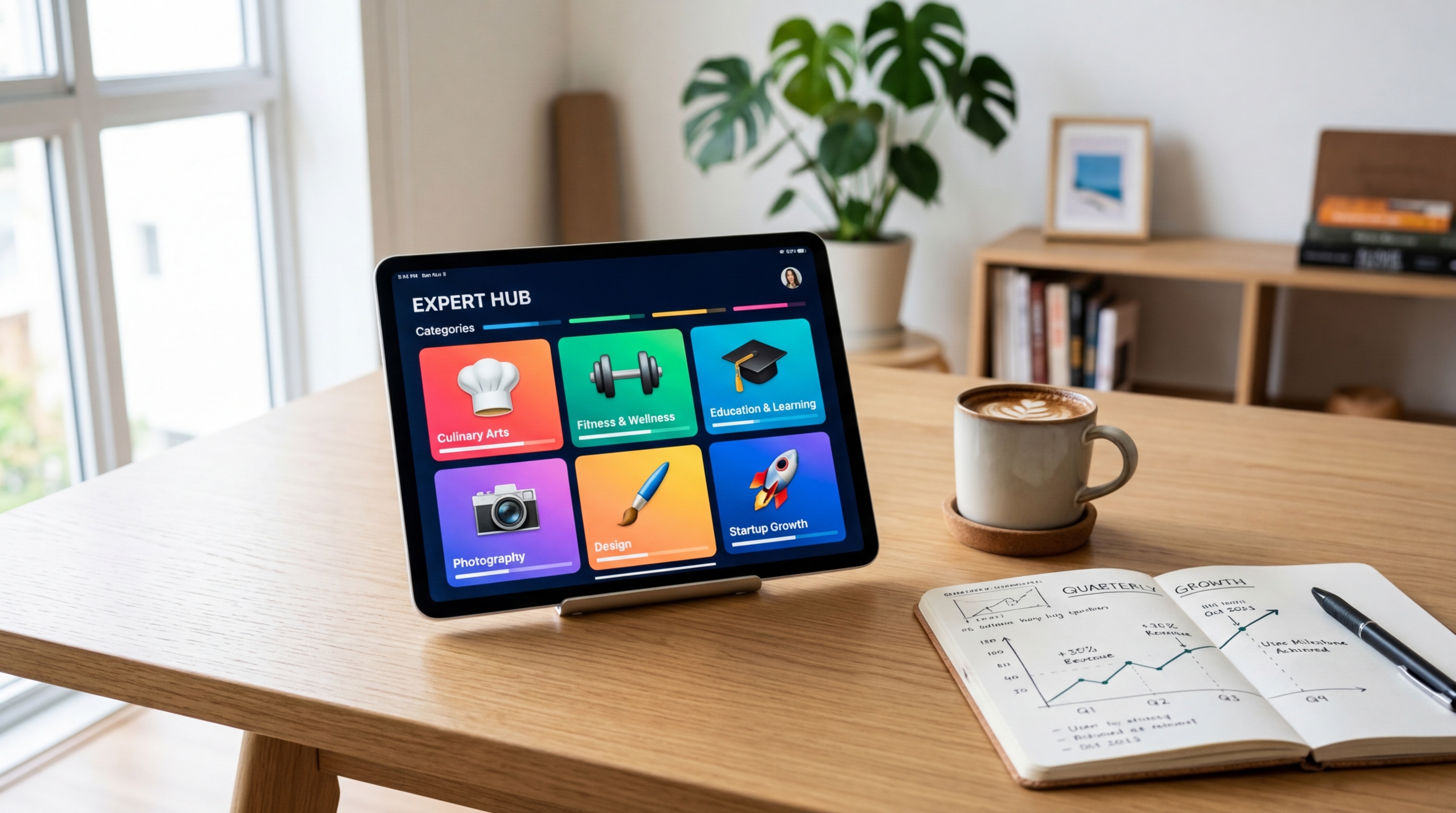
While AI adoption has doubled since 2023, the biggest barrier to everyday success is prompt fatigue—users searching for char gtp often receive inaccurate answers because they lack the right context. The solution lies in categorized AI assistants that use pre-configured expert personas to deliver immediate, accurate results without requiring complex prompting.
According to a 2026 global workplace survey, while 39% of employees report productivity gains from AI, a staggering 44% find themselves regularly fixing its mistakes. Furthermore, Pew Research Center data from 2025 highlights that 34% of U.S. adults have now used these tools—roughly double the share in 2023—with 58% of adults under 30 adopting these tools most rapidly. Yet, as adoption grows, so does the frustration.
In my six years researching digital literacy and online wellbeing, I've observed a distinct pattern in how families, students, and freelancers interact with technology. People frequently turn to search engines with hurried typos like chat gppt or char gtp, hoping for an instant answer to a homework question, a recipe idea, or a budgeting fix. Instead of immediate help, they are greeted by a blank chatbox that demands highly specific instructions to function correctly. This structural flaw is creating a massive divide between what users expect and what generic models actually deliver.
Why do generic chat gppt searches often lead to frustration?
The core problem with the standard AI experience is the burden of context. When you type a vague request into a generic interface, the system has to guess your intent, your expertise level, and the format you want the answer in.
A recent 2024 academic survey published on arXiv explored the real power of these language models and found alarming drop-offs in accuracy based on how questions are asked. The researchers evaluated the system on health misinformation topics and noted that accuracy plummeted from 80% to 33% simply when prompting for strict "Yes/No/Unsure" answers. When prompts were paraphrased, the performance dropped further to below 60%. The study concluded that these general models struggle heavily with out-of-domain intent discovery unless they are fine-tuned.
This data perfectly explains the daily frustration of the average user. When a parent searches for chat gptai com to help their child with math, they don't know how to engineer a prompt that prevents the bot from giving an overly complex, college-level explanation. The cognitive load is entirely on the user. They are forced to act as a programmer just to get a straightforward answer, which defeats the purpose of an automated assistant.
What do our early user milestones reveal about chat gptai com queries?
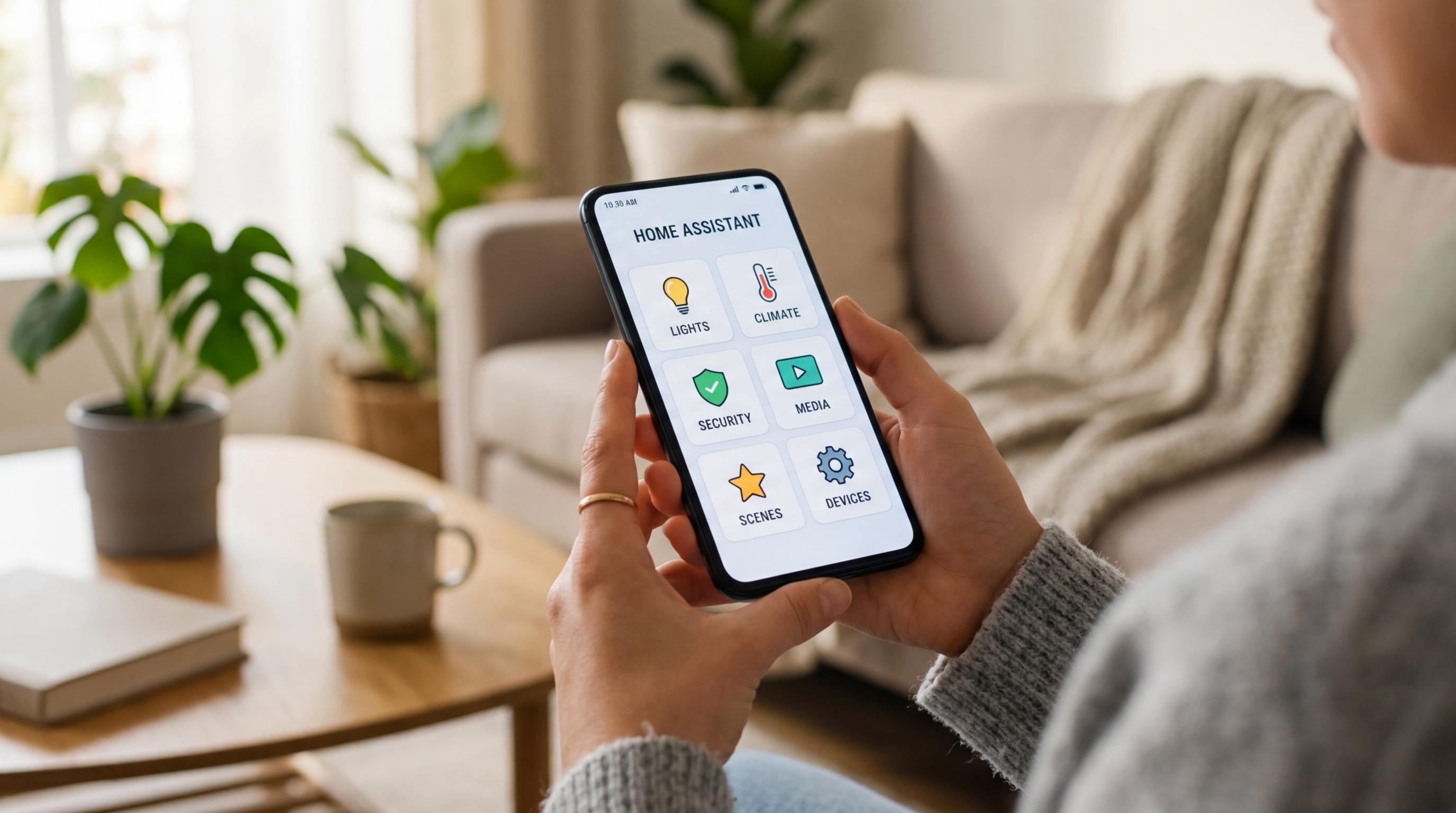
At Kai AI - Chatbot & Assistant, we recently crossed a significant milestone in analyzing early user retention and behavioral feedback. Looking at thousands of daily interactions, the data confirmed what researchers are seeing globally: users do not want a blank canvas; they want an expert.
Our retention data shows that users who engage with a categorized, pre-configured persona—such as a fitness coach, language tutor, or writing assistant—are far more likely to return than those who start with a generic chat window. This aligns with aggregated 2026 usage analyses revealing that 70% of AI interactions are actually not work-related. Most prompts revolve around everyday questions, personal advice, and learning.
When people search for terms like char gtp, they are usually in a rush. They want a specific outcome. By routing these users directly to an AI configured specifically for language translation or recipe generation, we eliminate the 44% error-fixing rate reported in recent industry surveys. The system already knows its boundaries, its tone, and its domain.
Interestingly, the privacy aspect is also driving this shift. The 2026 data shows that 82% of users describe their conversations with AI as sensitive or highly sensitive. People are discussing health, finances, and personal decisions. A categorized assistant that clearly defines its role—like a budgeting helper—builds trust faster than an ambiguous, all-knowing entity.
How are categorized assistants changing the char gtp market?
The market is already reacting to this demand for specificity and reliability. According to a 2026 Fortune report, OpenAI’s market share fell from 69.1% in early 2025 to 45.3% a year later, as competitors like Google's Gemini closed the gap, increasing their share to 25.2%. Users are shopping around, looking for tools that fit their actual workflow rather than forcing them to adapt to a single platform.
This is where the categorized architecture shines. Applications like Kai AI operate by using powerful underlying models—including both ChatGPT and Gemini—but they wrap them in highly specialized interfaces. If you need lesson planning or personalized quiz feedback (which SearchLab notes is a use case for 68% of educators in 2026), you simply select the Teacher Assistant profile. The app automatically appends the complex, fine-tuned instructions in the background.
As my colleague Mert Karaca explained in a recent deep-dive into user search behaviors, understanding the intent behind hurried searches is crucial for building better tools. People typing variants of popular bots aren't looking for a specific brand; they are looking for immediate utility.
How do you choose the right AI tool for your daily routine?
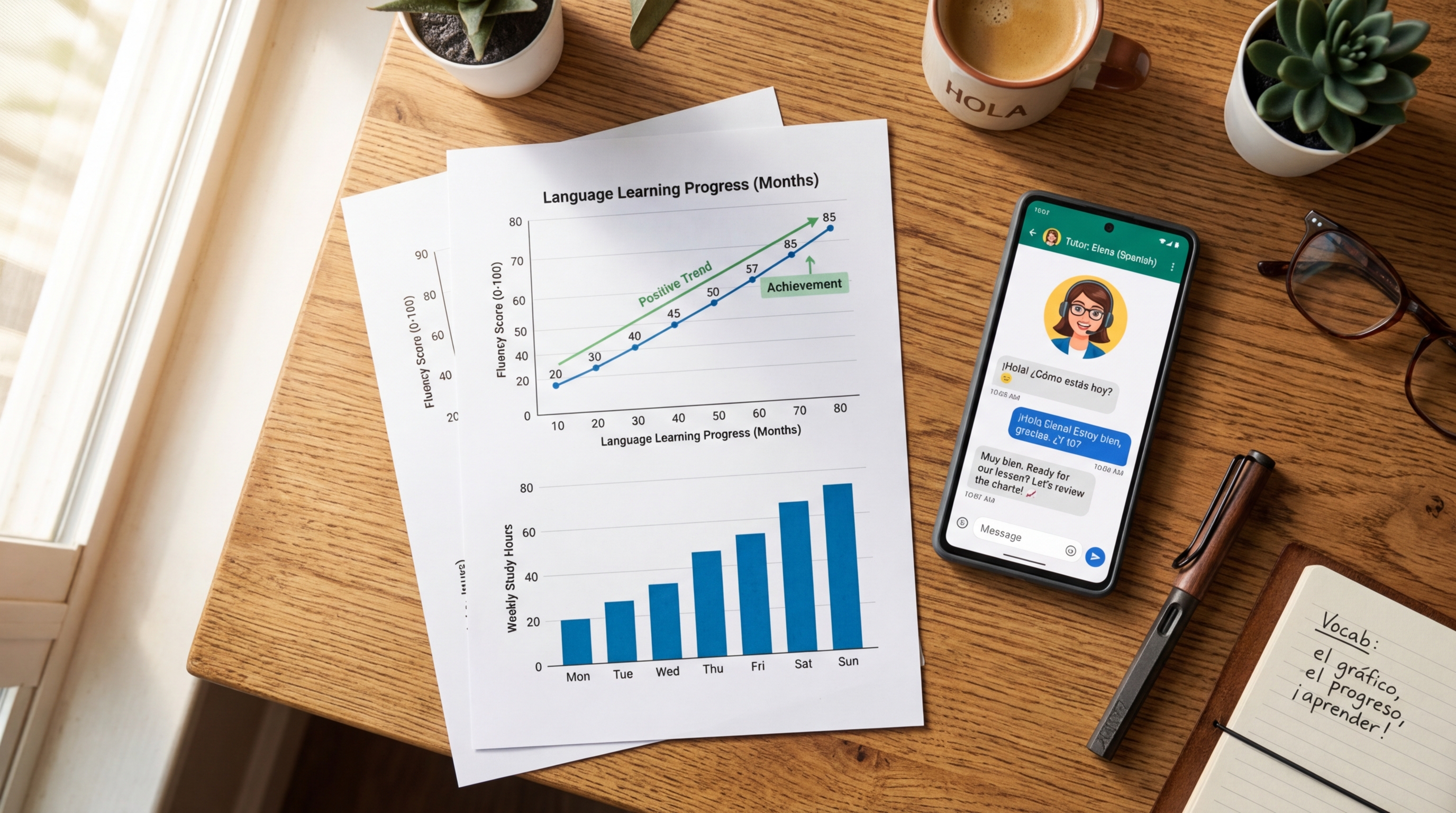
If you are tired of spending more time correcting your AI than actually benefiting from it, it is time to rethink the tools you use. Based on my research into digital wellbeing and software usability, here are the core criteria you should use when selecting an assistant for yourself or your family:
- Pre-trained Personas over Blank Canvases: Look for apps that offer categorized experts. If you need a workout routine, a dedicated "Fitness Coach" bot will always outperform a generic prompt because the developer has already optimized the background instructions for health and safety.
- Model Agnosticism: The best apps don't rely on just one source of truth. An app that utilizes multiple large language models behind the scenes can provide better, more reliable answers across different categories.
- Privacy and Trust: Given that a vast majority of users share sensitive information, ensure the app has clear data policies. This is a standard we strictly adhere to across all ParentalPro Apps, focusing on safe, user-centric environments.
- Low Friction: The tool should be available exactly when you need it, preferably as a mobile app that requires zero setup time.
The era of the "do-it-all" chatbox is slowly transitioning into an era of specialized, reliable companions. The next time you find yourself frustrated by a generic output, remember that the technology isn't failing—the interface is. By switching to categorized AI assistants, you can finally experience the productivity gains the industry has been promising, without the headache of constant corrections.